
National Daughters Day: 7 Stories That Show Why Every Kick Counts
Every daughter deserves the chance to grow, thrive and write her own story.
This National Daughters Day, we’re celebrating seven baby girls whose stories took an unexpected turn during pregnancy. Their moms were familiar with their normal movements patterns. And when something changed, they noticed and they spoke up.
Each family used the free Count the Kicks app to track their baby’s movement and get to know their normal patterns. That helped them recognize when something felt different and know when it was time to contact their healthcare provider.
Here are their stories.
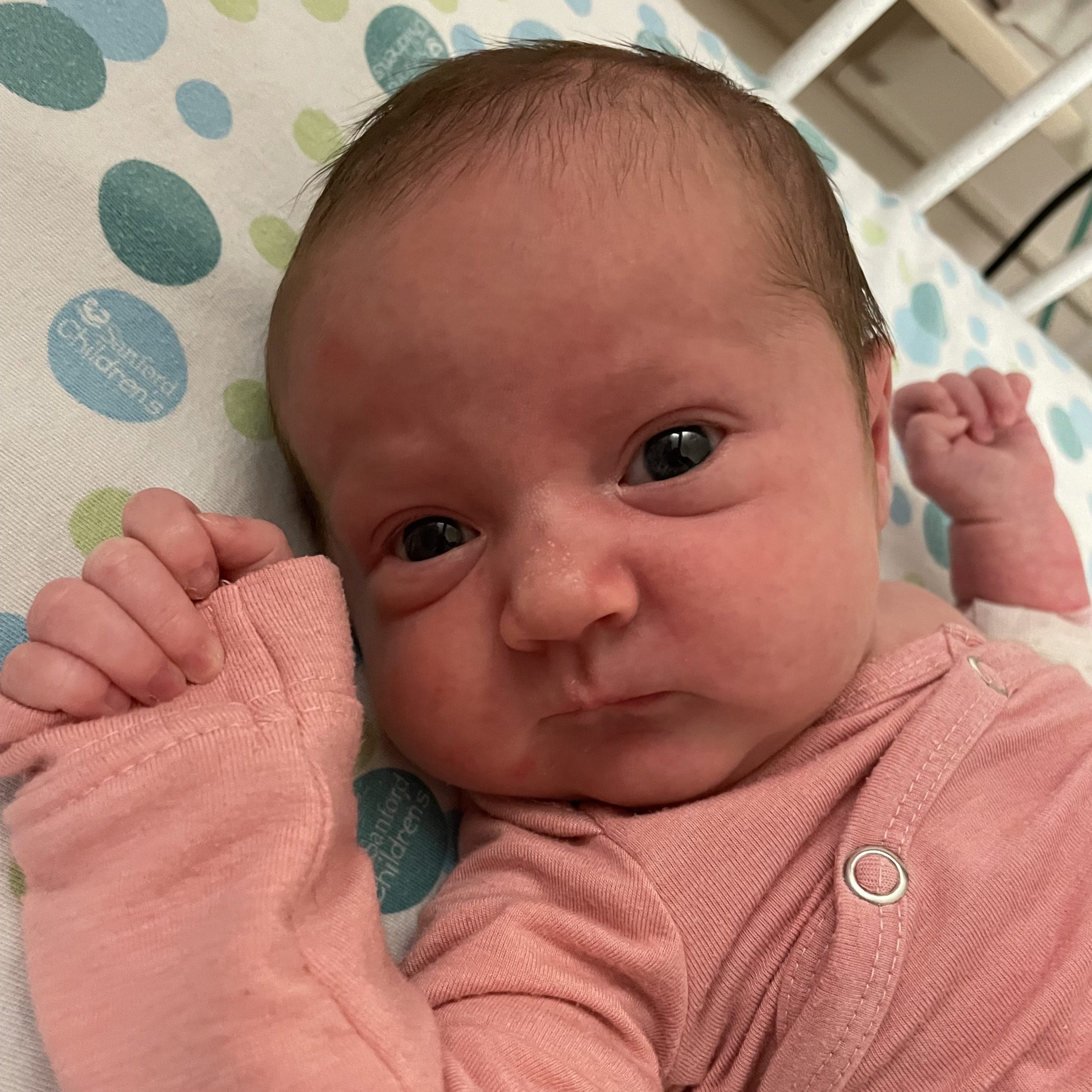
Rozy
Lorena A., Rozy’s mom, used the Count the Kicks app throughout her pregnancy to establish Rozy’s normal movement pattern. The app’s reminders helped her stay consistent, and her kick history gave her confidence to recognize when something had changed.
“I believe Count the Kicks played a crucial role in the safe delivery of my baby girl.”
When Rozy’s movements gradually decreased at 37 weeks, Lorena advocated for herself, even after being reassured that everything appeared normal. She continued tracking movements and shared her kick count history with her OB-GYN, who immediately asked her to come to Labor and Delivery. Testing revealed dangerously low amniotic fluid, but thanks to fast action, Rozy was safely delivered at 38 weeks, 6 days.
“My advice for expectant parents is to use Count the Kicks regularly to establish a baseline and always trust any feelings of concern.”
Hanna
During her third pregnancy, Sami K. already understood the importance of tracking fetal movement. When Hanna became noticeably quieter than usual, Sami knew something wasn’t right.
After arriving at the hospital, monitoring revealed heart rhythm abnormalities, and Hanna did not pass her biophysical profile. She was delivered at 37 weeks and later spent time in the NICU receiving treatment for a lung infection she likely developed before birth. Today, though, Hanna is healthy and thriving.
“My advice for expectant parents, I would say to get into a good habit of using the Count the Kicks app every day.”
Demi
Hannah A. learned about Count the Kicks through social media and quickly made movement tracking part of her nightly routine.
At 38 weeks, Demi didn’t greet her mom with her usual morning movements. That subtle change led Hannah to seek evaluation, where testing showed Demi was in distress and needed an urgent cesarean birth.
“You never think it will happen to you, but sometimes you become the ‘other people’ that scary things happen to.”
Doctors later discovered a hypercoiled umbilical cord with clots that had reduced Demi’s oxygen supply. After receiving specialized NICU care, Demi went home without lasting complications.
“Moms – trust your instincts! Get to know your baby personally. Every baby is different and it is even true before they are born. You know them best. If you feel like something is not right, go get checked.”

Gabriella
After years of trying to become pregnant, Leticia G. treasured every movement from her daughter, Gabriella. The Count the Kicks app helped her understand Gabriella’s unique movement pattern and even track movement intensity over time.
When Gabriella suddenly began moving much harder and more frequently than normal while Leticia experienced severe pain, Leticia knew something was wrong. Although initial testing appeared reassuring, Leticia continued advocating for herself.
Doctors ultimately discovered a uterine rupture that was causing internal bleeding. The discovery led to an emergency cesarean birth at just 30 weeks. After 63 days in the NICU, Gabriella went home.
“I share my experience not to scare anyone, but because I was glad I took the time to be informed about my baby’s movement… My advice for others would be to try to be mindful in setting aside time each day to just pay attention and monitor your baby’s kicks with the app.”
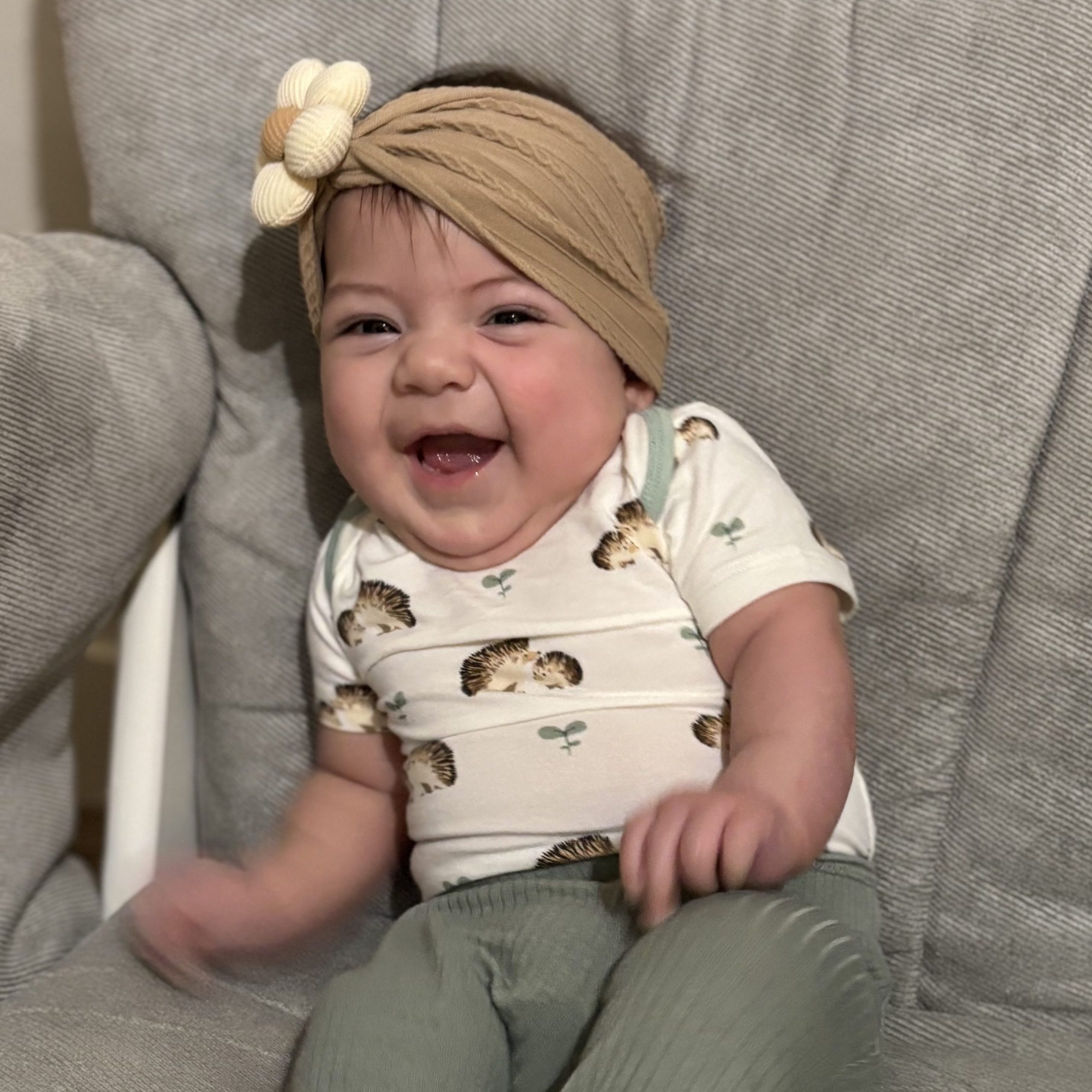
Isla
Following guidance from her midwife, Kelsie D. began using Count the Kicks at 28 weeks. She tracked Isla’s movements every morning and evening, helping her recognize both frequency and intensity.
At 38 weeks, she noticed Isla’s movements becoming less frequent and less intense over several days. She shared her app history with her care team, who confirmed she was in labor and needed an urgent cesarean birth because Isla remained breech. After a safe delivery, doctors discovered her amniotic fluid was nearly gone.
“My advice for other parents is to not be scared of going into hospital and calling your provider if you are concerned about any movements. They don’t mind you coming in and would prefer that over anything potentially going wrong.”
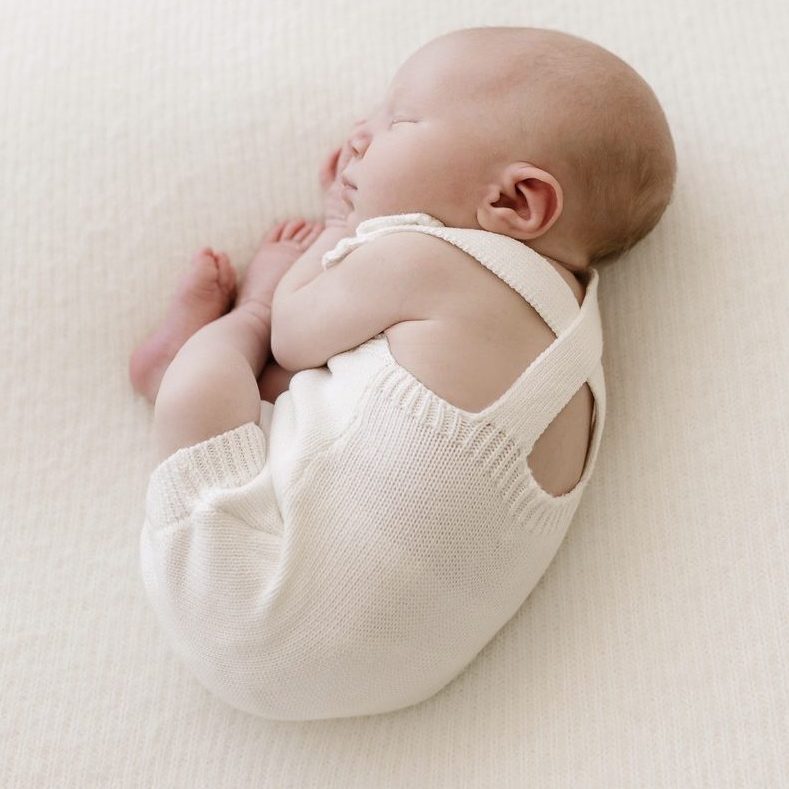
Soraya
Chante S., Soraya’s mom, downloaded Count the Kicks after seeing one of our billboards while pregnant. As she became familiar with Soraya’s movement pattern, she noticed unusual movement during a quiet family movie night.
Monitoring at the hospital led doctors to keep Chante for observation before delivering Soraya at 35 weeks. After birth, they discovered the umbilical cord had been wrapped around Soraya’s neck twice.
Today, Soraya is flourishing.
“My advice to others would be to listen to your body and listen to your gut. If something doesn’t feel right, go get checked.”
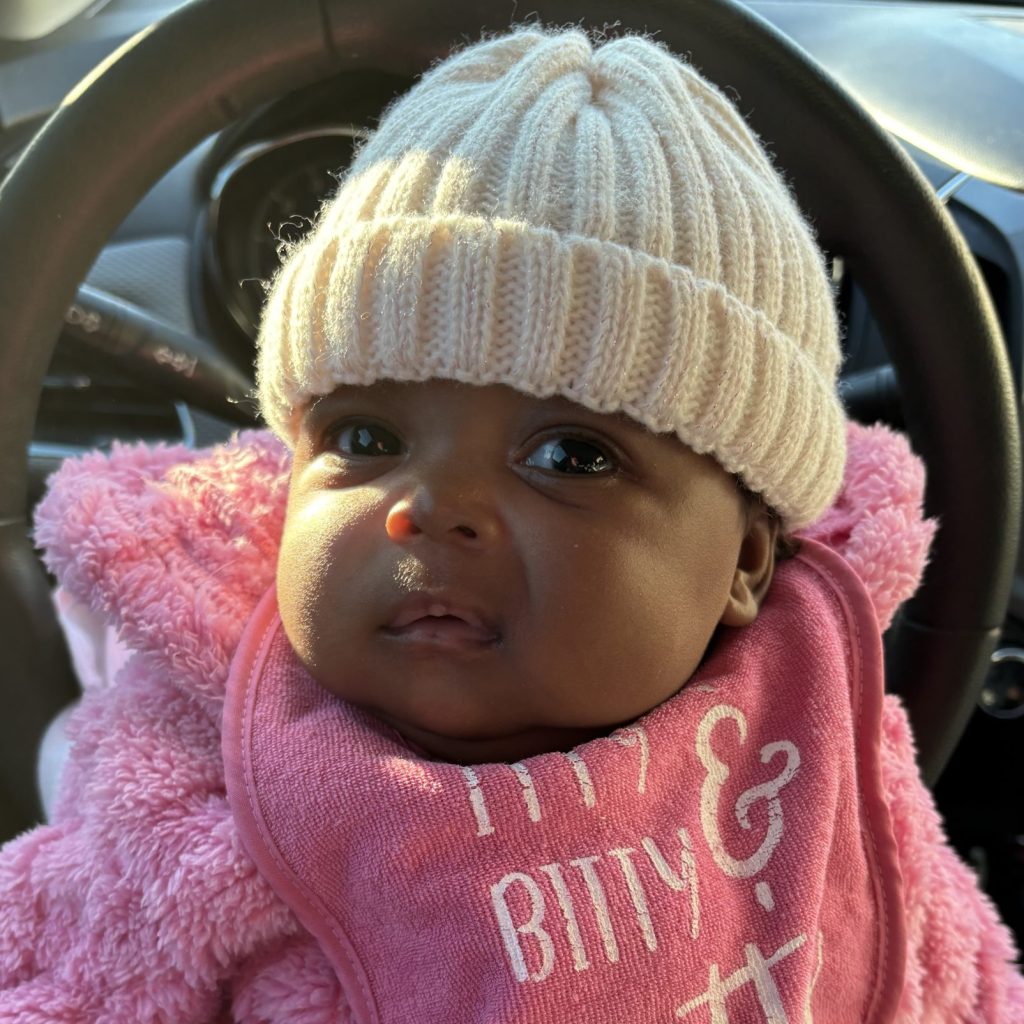
Moushka
Malka had followed Count the Kicks on social media for years before becoming pregnant with Moushka. She spent time each day talking, singing and connecting with her daughter before birth, allowing her to recognize when Moushka’s usual movements became noticeably different.
“That absence of movement was what alerted me that something was off.”
When she sought care, monitoring showed Moushka’s heart rate was concerning. Within hours, she was delivered by emergency cesarean section.
Today, Moushka is healthy because of her mom’s fast action.
“My advice to expectant parents would be to get to know your baby during pregnancy. The more time you spend talking to your baby and connecting with them, the more in tune you’ll be and the more likely you are to notice when something’s not quite right.”
Every Kick Counts
Each of these girls has a story to tell. Though they had different diagnoses and different birth experiences, they have one thing in common: Their moms were familiar with their normal movement patterns and knew it was important to speak up when something changed.
We’re grateful to the families who have shared their stories with us, the healthcare providers who talk with expectant parents about fetal movement, and the communities that help make Count the Kicks resources available to more families.
This National Daughters Day, we’re celebrating Rozy, Hanna, Demi, Gabriella, Isla, Soraya and Moushka. We’re also thinking of the many other daughters whose stories remind us why knowing your baby’s normal movement pattern matters.
Download the free Count the Kicks app
If you’re expecting, getting to know your baby’s normal movement pattern is one of the simplest ways to monitor your baby’s well-being in the third trimester. Download the free Count the Kicks app, begin tracking at 28 weeks (or as recommended by your healthcare provider), and make movement monitoring a part of your daily routine. And remember: If you notice a change in your baby’s normal movement pattern, contact your healthcare provider right away.

Easy Delivery!
Sign up for our newsletter to get the latest information about our mission, events, volunteer opportunities, and more.